 blog
7 Best Corporate Gifts for High-Value Clients
Table of Contents
- Why Corporate Gifts Matter for High-Value Clients
- Best Whiskey Glass Sets for Gifting to Executives
- Corporate Gifting Etiquette for Executives
- Premium Wellness and Self-Care Gift Sets
- Tech and Gadget Options for Forward-Thinking Leaders
- Tax Implications and ROI of Strategic Corporate Gifting
- Post-Gift Follow-Up Strategies That Deepen Relationships
- Frequently Asked Questions
Last Updated: September 24, 2026
Why Corporate Gifts Matter for High-Value Clients
High-value clients are the foundation of sustainable business. The difference between a transactional relationship and genuine partnership often comes down to one thing: thoughtfulness.
Corporate gifts serve a specific purpose. When selected with intention, they become tangible reminders of the relationship itself, signals that a company views this client as worth the effort and investment. This is where the 7 best corporate gifts for high-value clients enter the conversation.
Bourbon in the boardroom understands this dynamic. Their premium glassware is designed to become part of meaningful conversations and the professional interactions that define successful partnerships.
The real question isn't whether to give a gift. It's whether the gift communicates the right message.
Best Whiskey Glass Sets for Gifting to Executives
Premium whiskey glass sets have become the gold standard for executive gifting: sophisticated enough to command respect, useful enough to be employed regularly, and personal enough to feel genuine rather than obligatory.
The ideal executive gift combines three elements: craftsmanship that's immediately apparent, timeless design, and functionality that justifies regular use.
Material and Construction Matter
The weight and balance of a glass communicates quality before use. A weighted base creates a substantial feel that signals intentionality and craftsmanship.
Design Considerations for Professional Settings
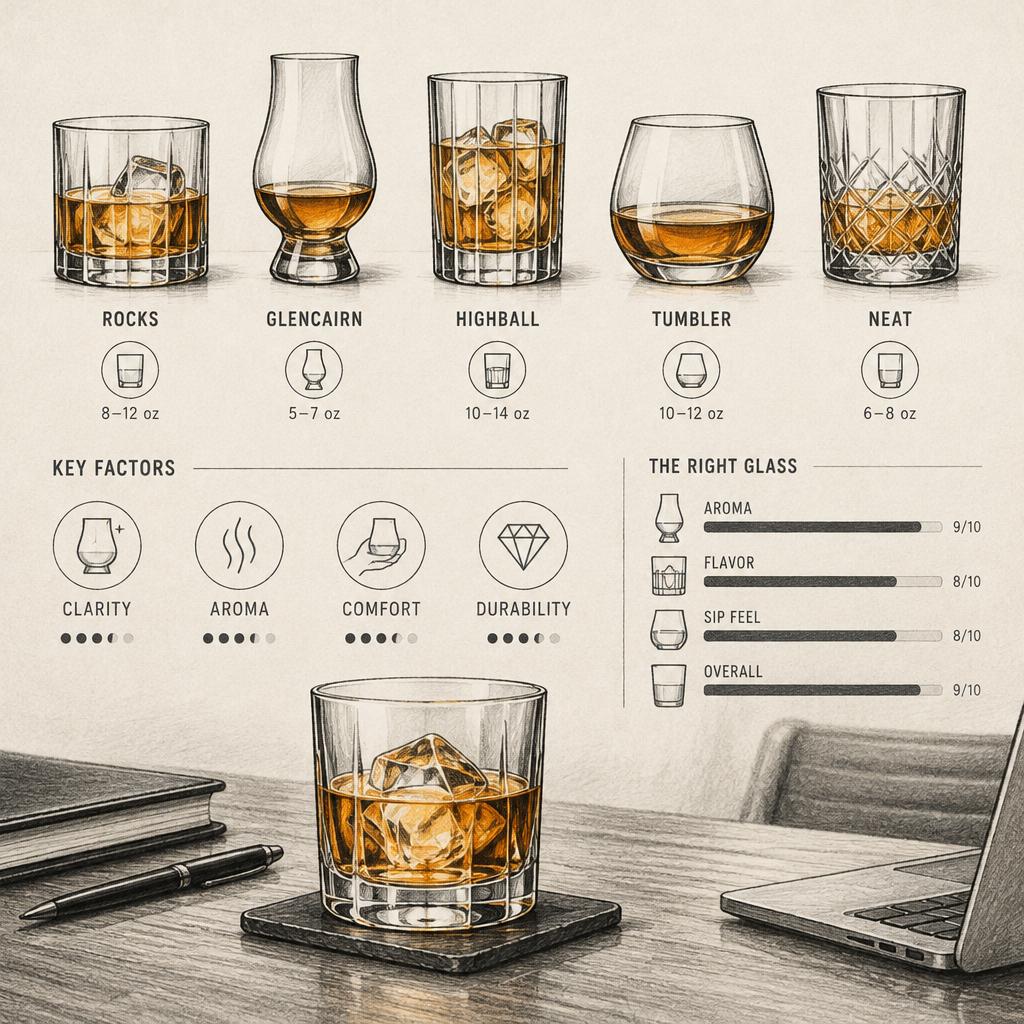
The old-fashioned (rocks glass) design remains the standard for executive gifting. The wide bowl allows proper aeration, the substantial base provides stability, and the shape is universally recognized as sophisticated. Unlike trendy designs, it remains relevant across decades.
Subtle engraving, a company logo, initials, or meaningful date, becomes part of the glass's identity rather than advertising.
Why Glassware Outperforms Other Premium Gifts
Quality glassware feels like something the recipient would purchase for themselves. It simply becomes part of their environment, on a home bar, in an office, or in a cabinet reserved for items worth keeping.
Glassware serves a functional purpose that extends beyond the initial gift moment. Each use reminds the recipient of the relationship, creating lasting association without feeling transactional.
Corporate Gifting Etiquette for Executives
The first principle is proportionality. The gift should reflect the relationship stage and client value without appearing transactional. A modest gift for a prospect signals respect; a more substantial gift for a long-term partner reflects relationship depth. Avoid treating all clients identically.
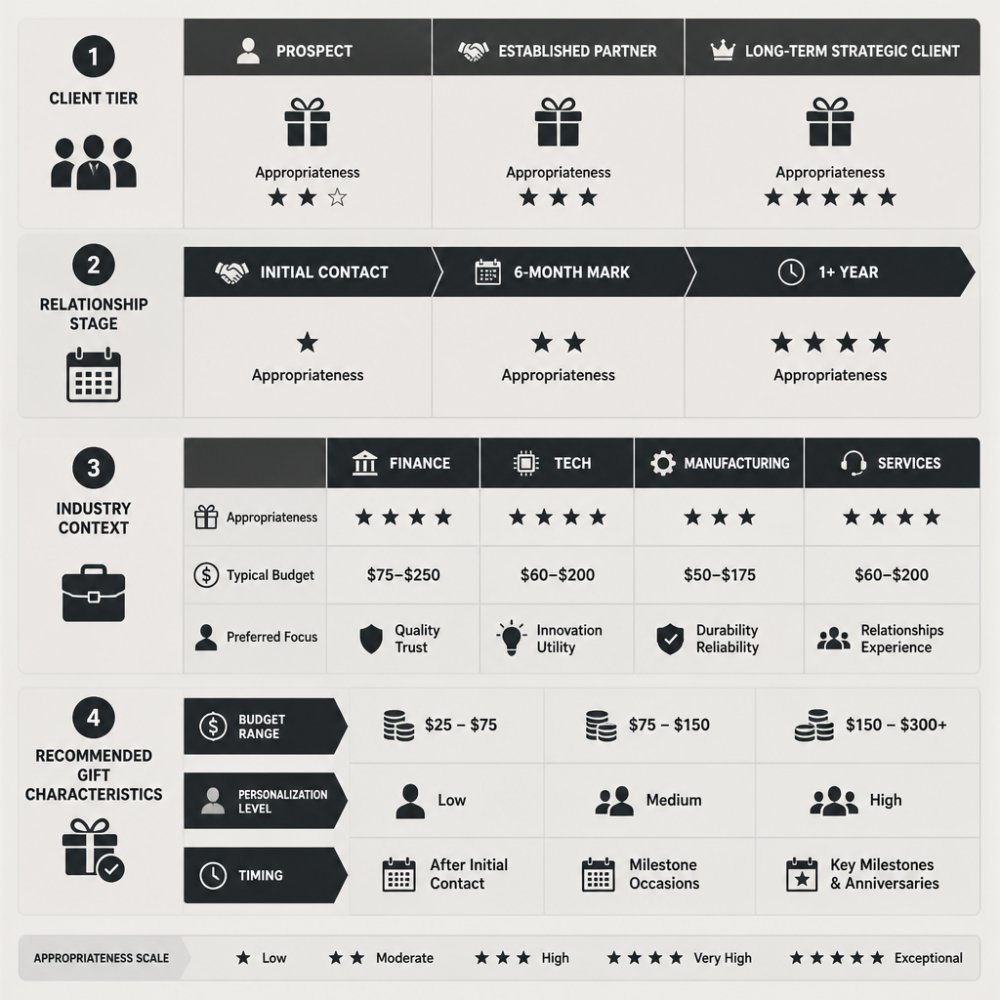
Timing matters significantly. Gifts delivered at natural business milestones, contract anniversaries, project completions, or year-end, feel intentional.
A quality box, thoughtful packaging, and a handwritten note transform a transaction into a moment. A premium glass set with a personal note acknowledging a specific contribution becomes memorable.
Cultural awareness is non-negotiable. Different industries have different expectations. Tech executives might appreciate innovative design; finance professionals prefer classic pieces; manufacturing leaders value durability. The gift should reflect understanding of the recipient's world.
The best corporate gifts for high-value clients serve as conversation starters. A simple message acknowledging the gift and referencing something specific about the relationship strengthens the bond.
Premium Wellness and Self-Care Gift Sets
Avoid anything that feels prescriptive about health or appearance. A premium relaxation set is thoughtful; gifts suggesting someone needs to change are offensive.
Tech and Gadget Options for Forward-Thinking Leaders
Evaluating Tech Gifts: A Decision Framework
Consider three dimensions: problem solved, integration with existing tools, and longevity. The gift should address a genuine friction point the recipient has already identified. It should work seamlessly with devices and platforms they already use. And it should remain relevant for years, not become obsolete within months.
Specific Tech Categories That Work for Executives
Audio and Communication: Premium wireless earbuds with strong microphone performance, active noise cancellation, and all-day battery life acknowledge that executives spend significant time in calls.
Productivity and Ergonomics: An ergonomic mouse, mechanical keyboard, or monitor stand addresses real pain points for executives at desks 8+ hours daily.
Power and Charging: A premium portable charger with multiple ports and fast-charging solves the universal problem of keeping devices powered during travel.
Smart Home Office Integration: A high-quality webcam with excellent low-light performance enhances both productivity and the professional appearance of video calls.
What to Avoid
Novalty gadgets, items designed primarily for entertainment or curiosity, often end up in drawers. A fidget spinner, a novelty USB device, or a gimmicky smart home toy might be fun for a moment but lacks the staying power of genuinely useful technology.
Trending gadgets with unclear use cases should be avoided. Just because a device is new or popular doesn't mean it solves a problem for your specific recipient. An executive might appreciate innovation, but they appreciate useful innovation more.
Overly personal tech gifts (fitness trackers, sleep monitors, health devices) can feel presumptive about the recipient's health or lifestyle choices. Unless you know the executive actively uses and values such devices, stick with professional-context technology.
Presentation Strategy
Frame tech gifts around professional benefit, not novelty. Instead of "This is the latest smart gadget," position it as "This will improve your video call quality" or "This solves the charging challenge when you're traveling." The framing determines whether the recipient sees the gift as a thoughtful professional investment or as a toy.
Include a brief explanation of why you selected this specific item for them. Reference something you know about their work style or challenges. "I know you're in back-to-back calls, so I chose earbuds with the clearest microphone performance in this category" is far more meaningful than a generic tech gift with no context.
Consider including a setup guide or offer to help configure the device. Many executives appreciate technology but don't want to spend time troubleshooting setup. Removing that friction makes the gift immediately useful rather than something that sits in a box.
Tax Implications and ROI of Strategic Corporate Gifting
Corporate gifting has legitimate tax considerations that many organizations overlook. Understanding these implications ensures gifts remain both meaningful and fiscally responsible.
Under current tax regulations, businesses can deduct corporate gifts up to a certain annual limit per recipient. The IRS allows deductions for business gifts, though there are specific rules about what qualifies. Generally, gifts must be reasonable in value and given in the ordinary course of business to be deductible.
The documentation matters. Maintaining records of gifts given, recipients, dates, and business purposes protects the deduction if questioned. This is particularly important for high-value gifts where the business purpose should be clearly documented.
The ROI of strategic corporate gifting extends beyond immediate financial metrics. A well-chosen gift strengthens client retention, increases the likelihood of repeat business, and builds goodwill that often leads to referrals. When a high-value client feels genuinely appreciated, they become more likely to recommend the company to peers. They're also more forgiving when challenges arise in the business relationship.
The most effective approach is treating corporate gifting as a strategic investment rather than an expense. When a gift deepens a relationship that generates ongoing revenue, the ROI becomes clear. A gift that costs a few hundred dollars to a client generating six or seven figures in annual business is a sound business decision.
Documentation also protects against compliance issues. Certain industries have strict guidelines about what gifts are acceptable. Financial services, healthcare, and government contracting all have specific rules. Understanding these requirements prevents gifts from creating compliance problems.
Post-Gift Follow-Up Strategies That Deepen Relationships
The gift itself is just the beginning. What happens after the gift arrives determines whether it strengthens the relationship or becomes forgotten.
The most effective follow-up is personal and timely. Within a few days of the gift arriving, a brief message acknowledging that they received it and referencing something specific about the relationship keeps the momentum going. This isn't a sales pitch, it's a genuine acknowledgment that the gift was meant to communicate something important.
The follow-up conversation should reference the gift's purpose or use case. For example, with premium glassware, a message might mention an upcoming industry event or a specific conversation where the gift might be used. This creates a mental connection between the gift and the relationship itself.
Many organizations miss the opportunity to use gifts as conversation starters. The best follow-up creates a natural reason for continued contact. Perhaps it's sharing an article relevant to the recipient's industry. Maybe it's an invitation to an event or webinar. The gift becomes the foundation for deeper engagement, not the final touchpoint.
Timing matters in follow-up as well. An immediate thank-you is appreciated but expected. A thoughtful follow-up message two or three weeks later, when the initial excitement has settled, often has more impact. It demonstrates that the gift was part of a larger relationship strategy, not just a one-time gesture.
For high-value clients, consider scheduling a follow-up conversation that has nothing to do with sales.
Frequently Asked Questions
What makes a corporate gift appropriate for high-value clients?
High-value clients expect gifts that reflect the depth of your business relationship and demonstrate genuine appreciation, not obligation. The gift should be premium in quality, thoughtfully personalized, and aligned with their professional interests or lifestyle. Avoid generic branded merchandise; instead, choose items that invite reflection or conversation. Premium glassware signals that you understand their leadership role and value their partnership.
How do you choose a meaningful corporate gift for a high-net-worth client?
Start by understanding the individual, not just the title. Research their interests, office environment, and any public mentions of hobbies or values. A high-net-worth client already owns most things, so focus on exclusivity, craftsmanship, and experience rather than quantity or trend. Personalization, whether through custom engraving, bespoke selection, or a handwritten note, transforms a good gift into a memorable one. The goal is to demonstrate that you see them as a person, not just a revenue source.
What are the tax implications of corporate gifting?
Under Internal Revenue Service guidelines, corporate gifts are generally deductible as a business expense, but there are limits. Gifts to any individual client cannot exceed $25 per year in deductible value. However, gifts to the business itself (not tied to an individual) and items with significant business value may qualify differently. Additionally, gifts given to employees follow separate rules. Consult your tax advisor to ensure compliance and to maximize deductibility based on your specific gifting strategy and business structure.
Can corporate gifts actually strengthen long-term business relationships?
Yes, when executed strategically. Research shows that thoughtful gifts create positive emotional associations, increase perceived value of the relationship, and prompt reciprocal goodwill. The key is timing and relevance: gifts given at meaningful moments (successful project completion, work anniversaries, or seasonal milestones) signal genuine appreciation. Paired with a personal follow-up conversation, a curated gift becomes a tangible reminder of your partnership and differentiates you from competitors who rely only on transactional communication.