 blog
How Tactile Objects Improve Meeting Focus
Last Updated: November 5, 2026
Quick Summary
Tactile objects improve meeting focus by giving restless hands a quiet job, so the mind can stay in the room. Choose discreet options like putty, spinner rings, weighted pens, or textured stones, and pair them with techniques such as a strict end time and a question-based agenda.
- Weighted objects work because steady weight gives constant feedback without demanding motion.
- The best fidget toys for work meetings are quiet, small, and invisible below the table line.
- Run the three-question selection test before committing to an object in a real meeting.
- Log thread losses, contributions, and object comments within an hour of each meeting.
- Offer tactile tools, never mandate them, and let people opt out without comment.
Table of Contents
- Why Restless Hands Undermine Meeting Focus
- Tactile Stimulation Examples That Quiet Restless Energy
- Fidget Toys for Work Meetings: Choosing Discreet Options
- Meeting Focus Techniques That Pair With Tactile Tools
- How to Run Better Meetings Without Adding Distractions
- Accessibility and Individual Differences in Sensory Needs
- How to Tell Whether a Tactile Tool Is Actually Helping
- Choosing a Weighted Glass for Your Next Leadership Conversation
- Frequently Asked Questions
Why Restless Hands Undermine Meeting Focus
to unnecessary meetings, according to Breeze.pm's meeting overload research, and restless hands make the meetings that remain even harder to sit through. When fingers tap, pens click, and legs bounce, the body is asking for something to do.
This guide from Bourbon in the Boardroom looks at seven ways tactile objects may help. The throughline is simple: attention is physical before it is intellectual. Give the hands a quiet job and the mind has a better shot at staying in the room.
Here is what most guides get wrong. They treat fidgeting as a discipline problem. It is usually an input problem. The body needs sensory input, and a meeting strips most of it away.
Tactile Stimulation Examples That Quiet Restless Energy
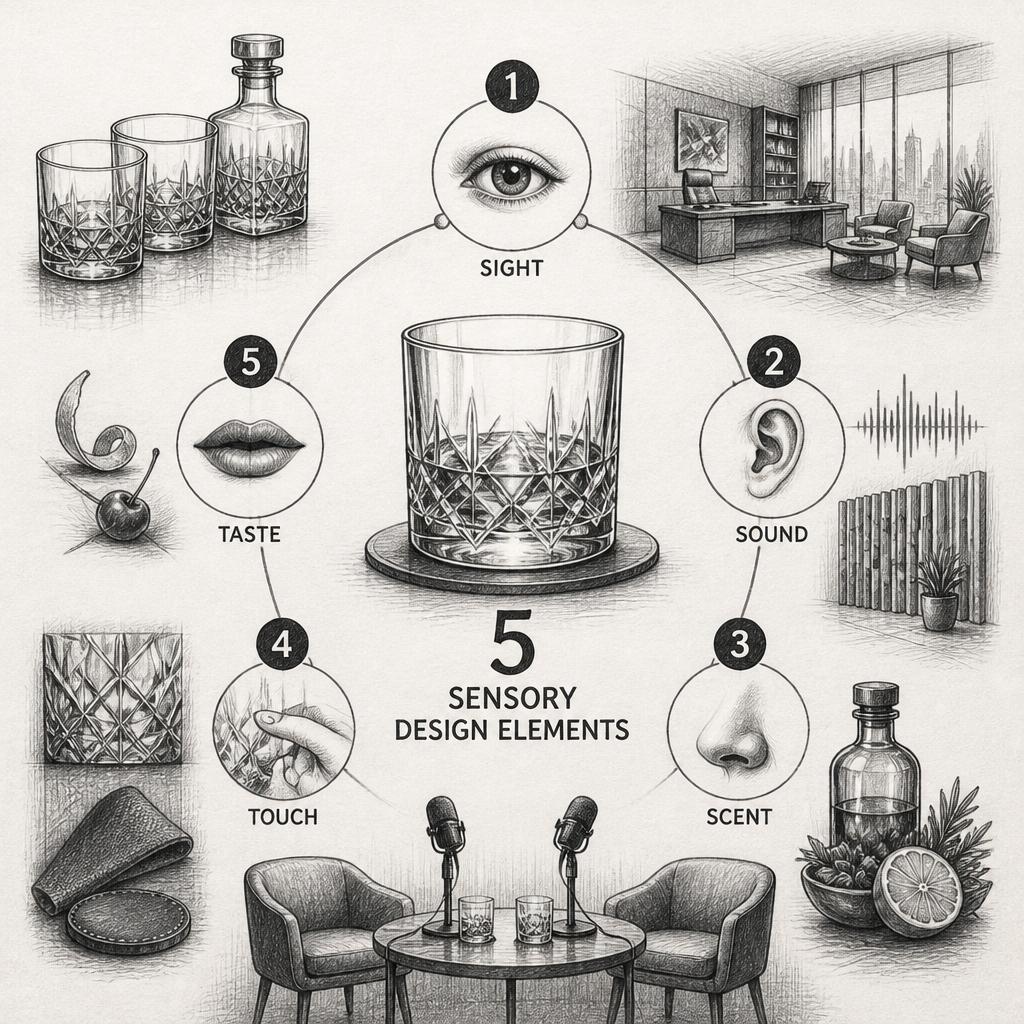
Tactile stimulation is any physical sensation, from weight and texture to temperature, that gives the nervous system something concrete to process. Research from the University of Illinois on tactile devices and focus indicates that haptic feedback engages multiple senses to improve learning and focus.
That finding matters for adults in conference rooms, not just classrooms. A small, quiet object can absorb restless energy without pulling eyes away from the speaker.
Weighted and Textured Objects
Weighted objects work because weight is steady. A heavy glass, a stone, or a metal pen gives constant feedback without demanding motion. The hand registers it and settles.
Texture does similar work. Ridges, etching, and matte finishes give the fingertips something to trace. The Society for Consumer Psychology's review of touch research notes that humans use touch for both information and enjoyment, which shapes how we process what is in front of us.
Everyday Desk Items That Serve the Same Purpose
You do not need to buy anything to test the idea. Common desk items do the same job:
- A smooth river stone from a garden center
- A heavy metal pen with a textured grip
- A rubber band wrapped around a notebook
Try one for a week of meetings. If the hand settles, the principle works for you.
Fidget Toys for Work Meetings: Choosing Discreet Options
The best fidget toys for work meetings are quiet, small, and invisible below the table line. Noise and visible movement are what get a tool noticed, and being noticed defeats the purpose. But discretion is not one quality, it is three, and they trade off against each other. A tool can be silent and still visible. A tool can be invisible and loud.
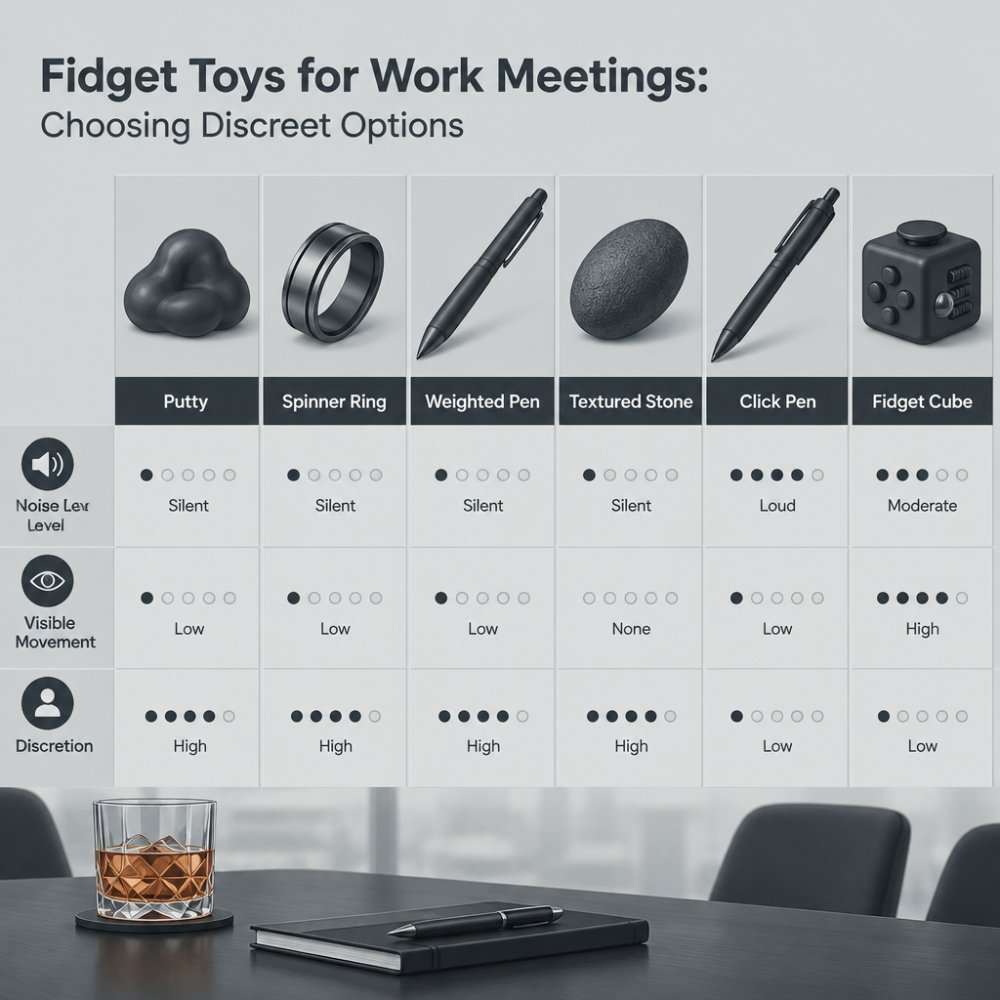
| Object | Noise | Visible Movement | Discretion |
|---|---|---|---|
| Putty | Silent | Low | High |
| Spinner ring | Silent | Low | High |
| Weighted pen | Silent | Low | High |
| Textured stone | Silent | None | High |
| Click pen | Loud | Low | Low |
| Fidget cube | Moderate | High | Low |
Match the Object to the Room
The same object can be discreet in one setting and disruptive in another. Use the room, not the product, as your filter.
- In-person, small room, close seating. Weight and texture win. A textured stone, a weighted pen, or a spinner ring stays below the table line and makes no sound. Avoid anything that requires wrist motion above the table.
- In-person, large table, mixed attention. Putty is the safest silent option because it moves slowly and stays in one hand. A fidget cube is the riskiest: the clicking and rolling motion reads across a room.
- Video calls with a visible camera. The camera crops at the chest, so hand-level objects are usually out of frame. A spinner ring or a weighted pen works; putty can look like fidgeting if your hands rise into frame. Keep hands below the desk line and the object stays private.
The Trade-Offs Nobody Lists
Every discreet object gives something up. Knowing the trade-off keeps you from switching tools every week.
- Putty is silent and highly discreet but degrades: it picks up lint, dries out, and needs replacing. It also leaves residue on some finishes.
- Spinner rings are silent and worn rather than held, so they never sit on the table, but they can be tight, and a poorly sized ring becomes its own distraction.
- Weighted pens double as real pens, which makes them the least conspicuous option in a room full of note-takers. The trade-off is weight: a heavy pen tires some hands over a long session.
Watch out: a loud or busy tool can pull attention from the speaker, which is the exact opposite of the goal. The Metiss Group's note on tactile tools makes this point directly. Tactile objects may distract if they draw attention away from the agenda.
A Simple Selection Test
Before you commit to an object, run it through three questions in a real meeting:
- Could the person beside me hear it if the room went quiet?
- Would it be visible if the camera framed my hands?
- Does using it require motion I would have to suppress?
If the answer to any of those is yes, the object is not discreet enough for a shared room. Save it for solo work and choose a quieter tool for meetings.
Meeting Focus Techniques That Pair With Tactile Tools
Meeting focus techniques work better when the hands are already settled. A tactile tool is a support, not a strategy on its own. Pair it with habits that protect attention.
- Set a strict end time. A hard stop forces decisions.
- Write the agenda in questions. "Should we fund this?" beats "Budget update."
- Assign roles. A note-taker and a timekeeper keep people present.
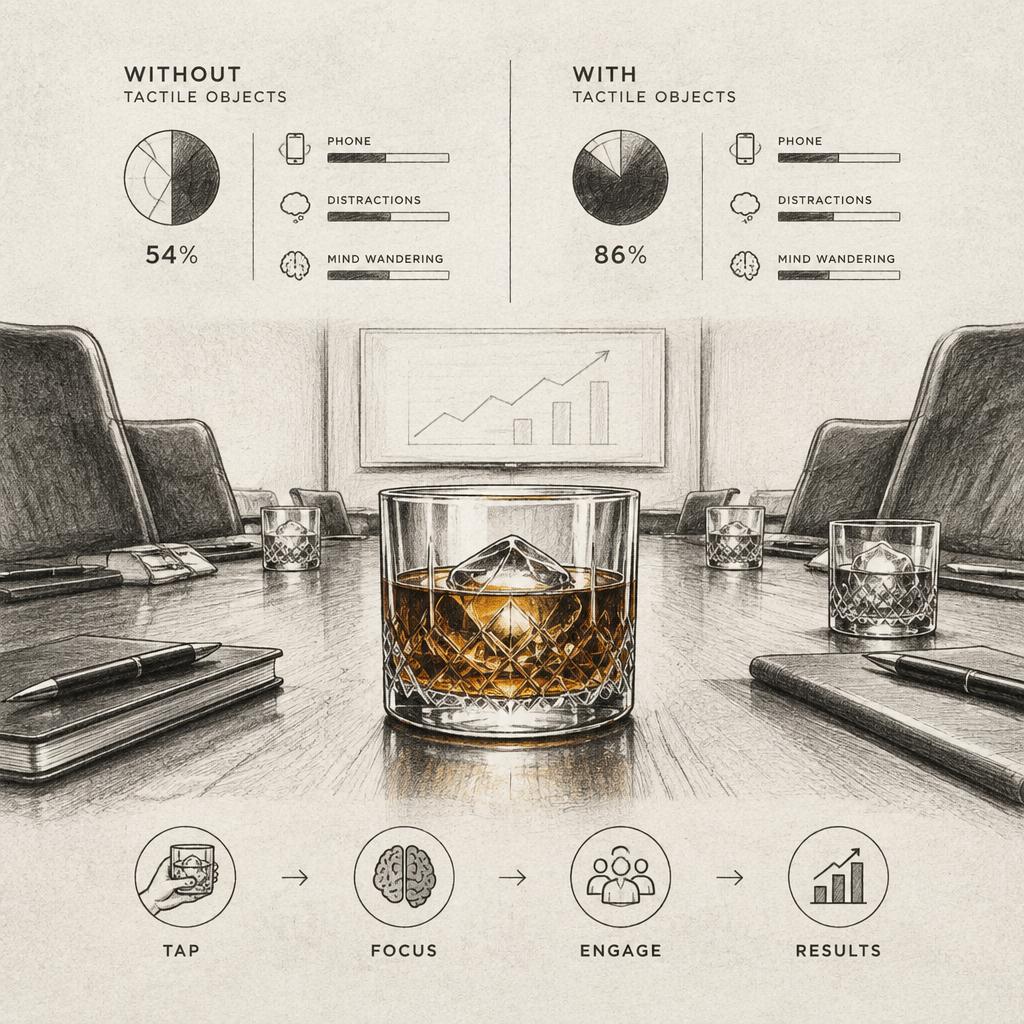
The Association for Computing Machinery's research on touch and communication found that tactile exploration paired with adaptive communication strategies improves engagement and access to information. The lesson for leaders: give people a way to engage physically and they engage verbally more often.
How to Run Better Meetings Without Adding Distractions
Learning how to run better meetings starts with subtraction, not addition. Cut the meeting before you optimize it. Ask three questions:
- Does this need to be a meeting at all?
- Who is here that does not need to be?
- What decision must leave the room?
If the answers are thin, cancel it. Many senior leaders report that meetings are often unproductive or inefficient.
For the meetings that survive, try a simple test. Bring one quiet tactile object to your next session and say nothing about it.
Leaders who want a regular place to trade notes on better conversations can join the community built around exactly that kind of gathering.
Accessibility and Individual Differences in Sensory Needs
Sensory needs vary widely, and a tool that helps one person can irritate another. Some people focus best with something in hand.
Neurodivergent team members often have specific sensory preferences. Some need deep pressure, some need light texture, and some need nothing at all.
A few practical rules:
- Offer, never mandate
- Keep tools quiet and small
- Let people opt out without comment
Accessibility here is mostly about permission. When a team treats a quiet object as normal, the people who benefit most stop hiding the habit.
How to Tell Whether a Tactile Tool Is Actually Helping
Most advice on tactile tools assumes they work. That is the weakest part of the genre: product-oriented claims with no way to check them. A tactile tool is helping if three things happen, you speak more, you drift less, and nobody notices the object, but those outcomes need a baseline before you can credit the tool.
Measure Against Yourself, Not a Benchmark
There is no published number for "meeting attention" you can compare yourself to, and self-reported focus is easy to overstate. The practical approach is a within-person comparison: run the same kind of meeting with and without the object, and compare your own counts.
Pick two recurring meetings of similar length and stakes. Use the object in one and not the other for two weeks, then swap. That controls for the meeting itself, which is the variable most people forget.
What to Count
Keep the log to three numbers per meeting, recorded within an hour while memory is fresh:
- Thread losses. Tally each time you notice you have stopped following the speaker. The count is rough, but the direction is what matters.
- Contributions. Count substantive comments and questions, not acknowledgments. One useful question beats five "sounds good" replies.
- Object comments. Note whether anyone mentioned the object. Any comment above zero is a discretion failure, not a success.
A simple pattern most practitioners find: thread losses fall first, contributions rise second, and object comments stay at zero. If thread losses fall but contributions do not move, the tool may be calming you without helping you participate, which is a different problem than focus.
Separate the Tool From the Meeting
A tactile object is one input among many. If you also shortened the agenda or added a timekeeper in the same two weeks, you cannot attribute the change to the object.
Watch out: the most common error is judging the tool by how it feels in your hand rather than by what happens in the room. A pleasant object can still cost you attention if you spend the meeting thinking about it.
When to Drop the Tool
Drop the object if any of these hold after two weeks of honest logging:
- Thread losses do not fall, or rise.
- Contributions fall or stay flat while you feel calmer.
- Anyone comments on the object more than once.
The tool is supposed to serve the conversation, not compete with it. A tool that fails the test is not a failure of you, it is a mismatch between the object and the room, and the fix is usually a quieter or lower-movement option rather than abandoning the idea.
For readers weighing whether a quality object is worth owning, this guide to what makes premium glassware covers the material and craft questions that separate a lasting piece from a novelty.
Choosing a Weighted Glass for Your Next Leadership Conversation
Bourbon in the Boardroom exists because a good conversation deserves a good object on the table.
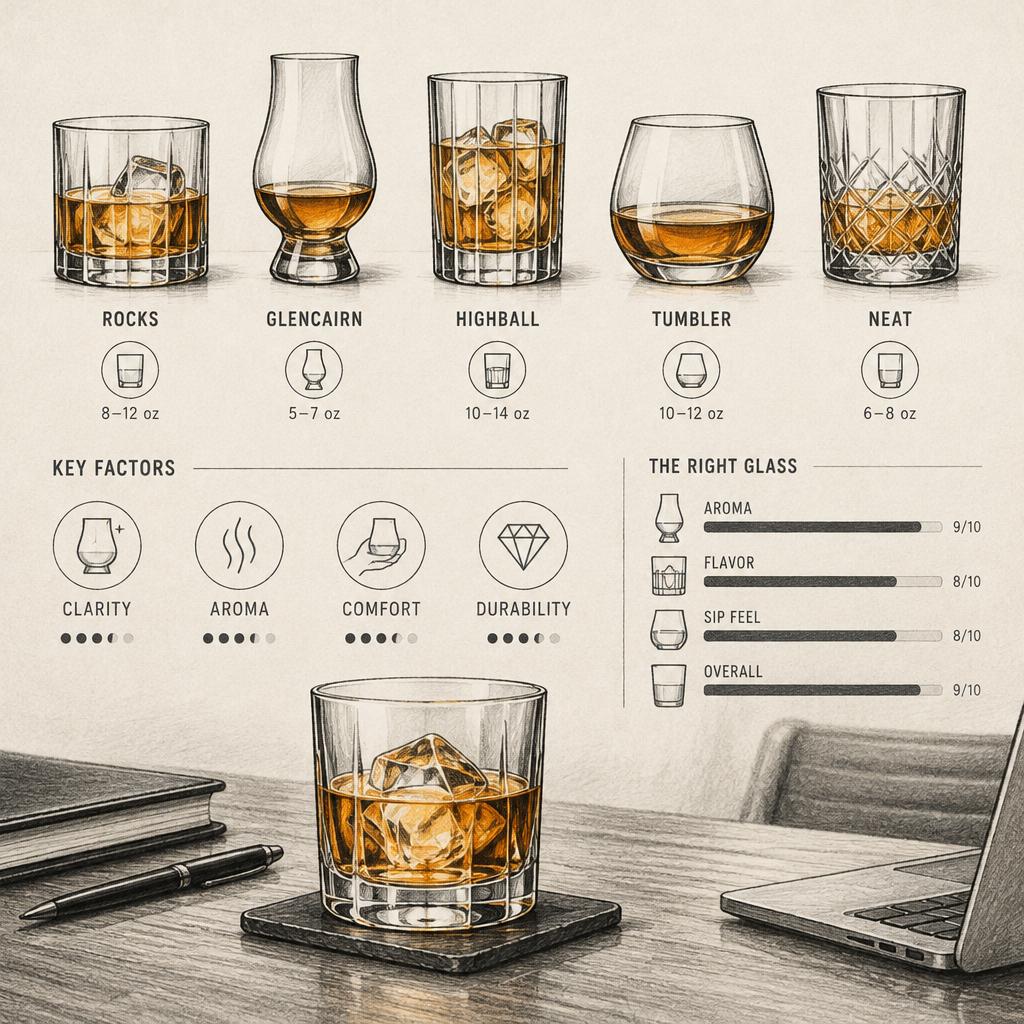
Each glass carries the signature logo and an etched tagline on the bottom. The weight gives the hand something steady to hold during a long conversation.
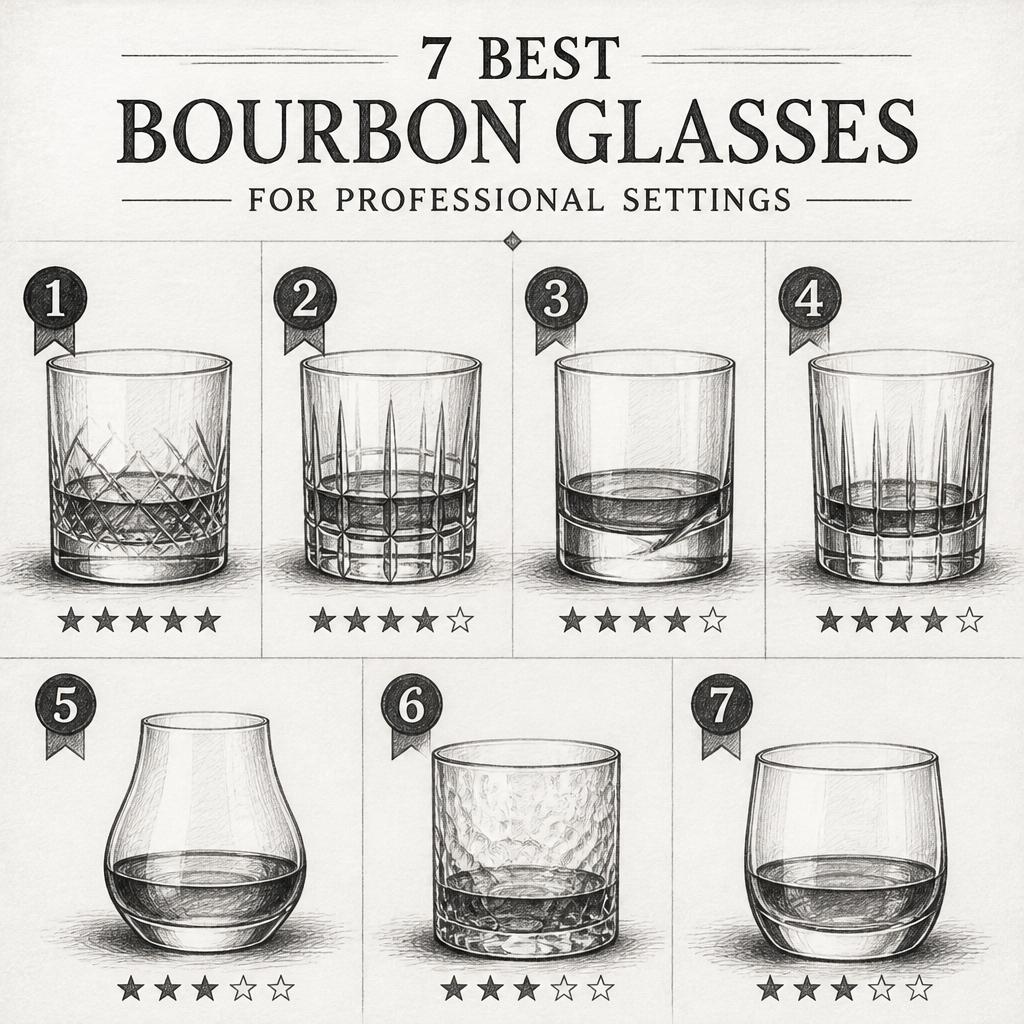
That is the practical case for tactile objects in leadership settings. If you want to see the full glassware collection, it is the natural next stop, and the Old-Fashion Glass is the piece built for the boardroom.
Frequently Asked Questions
Can you give me an example of tactile stimulation that works in a meeting?
A weighted pen, a smooth stone in your pocket, or a textured ring all provide tactile stimulation without drawing attention. Touch research generally holds that people use touch for both information and enjoyment, which influences how we process what we experience. The key is choosing something that engages your hands quietly so your attention stays on the conversation rather than on restlessness.
Do fidget objects help adults concentrate at work?
Fidget tools are often used as a way to help people stay present during conversations. They channel restless energy that might otherwise show up as pen clicking or leg bouncing. That said, tactile objects can distract if they pull attention away from the speaker. The tool works only when it fades into the background of your attention.
How can I use a tactile object without distracting other people in the meeting?
Choose objects that are silent and stay below the table line. Putty, smooth stones, and weighted pens move little and make no sound. Avoid anything that clicks, spins visibly, or requires two hands. If you are on a video call, keep the object out of camera frame. The goal is meeting focus techniques that support active listening, not a visual side show for your colleagues.
What are three things that make a meeting effective?
A clear agenda sent in advance, defined roles for who leads and who decides, and a strict end time. Many senior leaders report that meetings are often unproductive. Pairing those structural fixes with tactile tools for restless participants gives you both clarity and sustained attention across the table.
The next leadership conversation on your calendar is a chance to test the idea. Pick one quiet object, bring it, and watch whether the room holds attention better. Bourbon in the Boardroom built the Pour collection around that same belief: weight, craft, and patience make better conversations. Browse the collection, find the glass that fits your table, and give your next discussion a tangible focal point. Get started with Bourbon in the Boardroom and turn a good pour into a better meeting.