 blog
Are Expensive Whiskey Glasses Worth It? A 2026 Guide
Table of Contents
- Are Expensive Whiskey Glasses Worth It? The Honest Answer
- Crystal Whiskey Glasses: What You're Actually Paying For
- Expensive vs. Cheap Whiskey Glasses: A Side-by-Side Comparison
- Whiskey Glasses for Tasting: Shape, Aroma, and the Limits of Glassware
- Charred Whiskey Glasses: Style, Smoke, and What They Actually Do
- Total Cost of Ownership: Breakage, Replacement, and Care
- A Decision Framework by Buyer Type
- Conclusion: Who Should Buy Expensive Whiskey Glasses
- Frequently Asked Questions
Last Updated: October 9, 2026
Are Expensive Whiskey Glasses Worth It? The Honest Answer
Expensive whiskey glasses are worth it when the glass changes how you taste, how long it lasts, and how often you reach for it. For everyone else, a basic tumbler does the job.
The short answer: glassware is a supporting actor. The whiskey is the lead. A premium glass sharpens the aroma, feels better in hand, and survives years of use. It will not rescue a bottle you dislike.
Below, we'll show you how to judge a glass on four things that matter: rim, weight, shape, and replacement cost. The framework at the end sorts buyers by type.
Crystal Whiskey Glasses: What You're Actually Paying For
Crystal whiskey glasses cost more because of how they're made, not because of a logo. The premium covers raw material purity, forming method, and rim finishing.
Lead-free crystal is glass made with alternative metal oxides instead of lead, giving it higher clarity and a denser feel than standard soda-lime glass. That means a thinner wall without fragility, and a rim that feels smooth rather than rounded and thick.
Lead-Free Crystal vs. Ordinary Glass: Weight, Rim, and Clarity
The differences show up the moment you pick the glass up:
- Weight: Crystal is denser, so a thinner glass can still feel substantial. Ordinary glass needs thickness to stay strong, which makes it feel clunky.
- Rim: A thin, polished rim lets liquid flow evenly onto the tongue. A thick, rounded rim dribbles and dulls the first impression.
- Clarity: Higher purity means less distortion, so you can read the whiskey's color, a cue many drinkers use for age and cask.
What most guides miss is that a thin rim is the single most noticeable upgrade. It's also the hardest thing to fake, which is why cheap glass rarely gets it right. For background on how glass composition affects clarity and strength, the Corning Museum of Glass on glass composition explains the material science in plain terms.
Expensive vs. Cheap Whiskey Glasses: A Side-by-Side Comparison
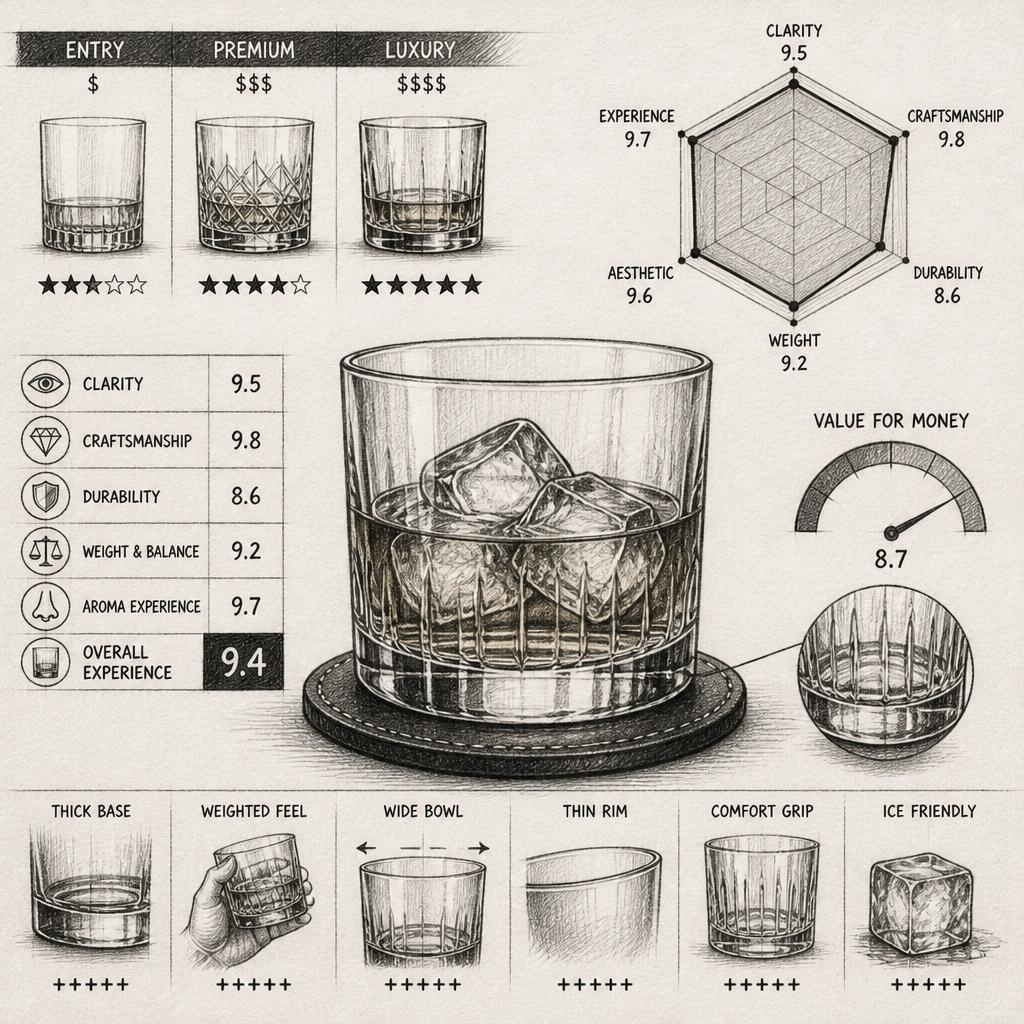
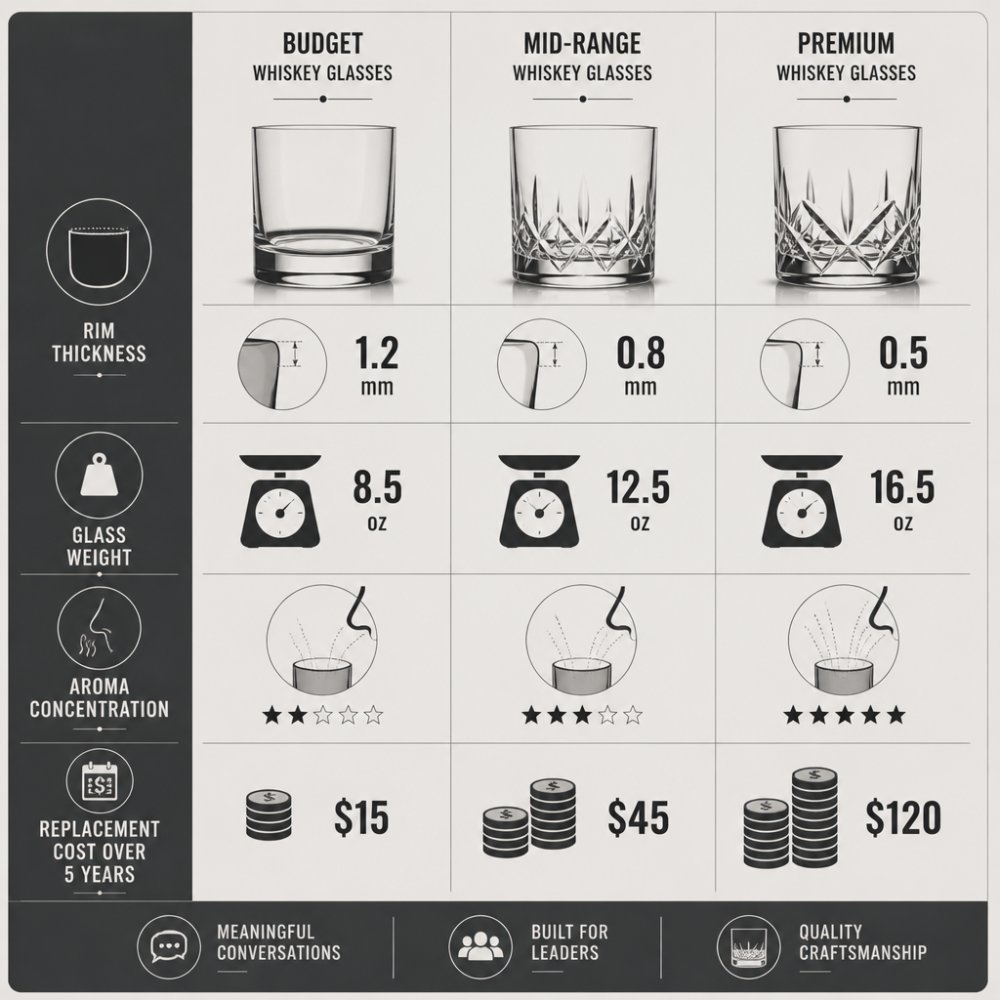
Cheap and expensive whiskey glasses differ most in rim finish, weight consistency, and how they age. The tasting difference is real but modest. The durability difference is larger than most buyers expect.
Here's how three price tiers typically compare:
| Attribute | Budget Tier | Mid-Range Tier | Premium Tier |
|---|---|---|---|
| Rim thickness | Thick, rounded | Medium, polished | Thin, polished |
| Glass weight | Light or uneven | Consistent | Dense, balanced |
| Aroma concentration | Low | Moderate | Noticeable |
| Replacement cost over 5 years | High, frequent swaps | Moderate | Low, few swaps |
| Best for | Casual pours | Regular sipping | Gifting, hosting |
What Actually Changes When You Spend More
The price jump from budget to premium buys three things, in order of how much you'll notice them:
- Rim finishing. A polished, thin rim delivers liquid in a clean line across the tongue. A thick, fire-rounded rim spreads the whiskey out and lets more air hit it before it reaches your palate, muting the first impression. This is the most reliable difference between tiers.
- Weight consistency. Premium glass is denser and more evenly formed, so it feels balanced rather than top-heavy. Budget glass often varies from unit to unit within the same set, which is why a set of six cheap tumblers can feel like six different glasses.
- Aroma concentration. A narrower, tapered bowl traps volatile compounds near the nose; a wide, open tumbler lets them escape. This is a shape effect, not a price effect, a well-shaped budget glass can outperform a poorly shaped premium one.
How to Run Your Own Side-by-Side Test
Most comparisons fail because the taster knows which glass is which. To get a real read, control for the variables that move the needle more than the glass does:
- Same whiskey, same pour size. Use the same bottle and measure the pour. A heavier pour in the premium glass will read as 'better' even if the glass isn't doing anything.
- Same temperature and rest time. Let both glasses sit the same number of minutes before nosing. Whiskey opens up as it rests, and uneven rest times will swamp any glass effect.
- Same nosing technique. Bring the glass to your nose the same way each time. Short, gentle sniffs beat deep inhales, which fatigue the nose fast.
- Blind the comparison. Have someone else pour and hand you the glasses without telling you which is which. Expectation is a powerful flavoring agent, and knowing the price tag changes what you taste.
A common pattern among people who run this test: the rim and the nose are where the difference shows up, and the palate difference is smaller than expected. That's an argument for buying premium glass for the reasons that hold up: feel, durability, and the ritual of using something well made.
Where Budget Glass Actually Loses
Durability is where the math turns. Thin, cheap glass chips at the rim, and a chipped rim is a cut waiting to happen. Budget sets are usually sold as a set of four or six, so replacing one chipped glass means buying another set. Premium glass with a properly finished rim holds up longer, and single-glass replacement is more common at that tier, offsetting part of the upfront cost.
The tier that fits depends on how you drink, not on how much you can spend. A casual Friday pour doesn't reward a thin rim the way a slow tasting does.
Whiskey Glasses for Tasting: Shape, Aroma, and the Limits of Glassware
Whiskey glasses for tasting work by concentrating aroma, and aroma drives most of what people call flavor. A narrow bowl traps volatile compounds near the nose.
The honest limit: glassware is one variable among several. Serving temperature, how long the whiskey has been open, and the whiskey itself all move the needle more.
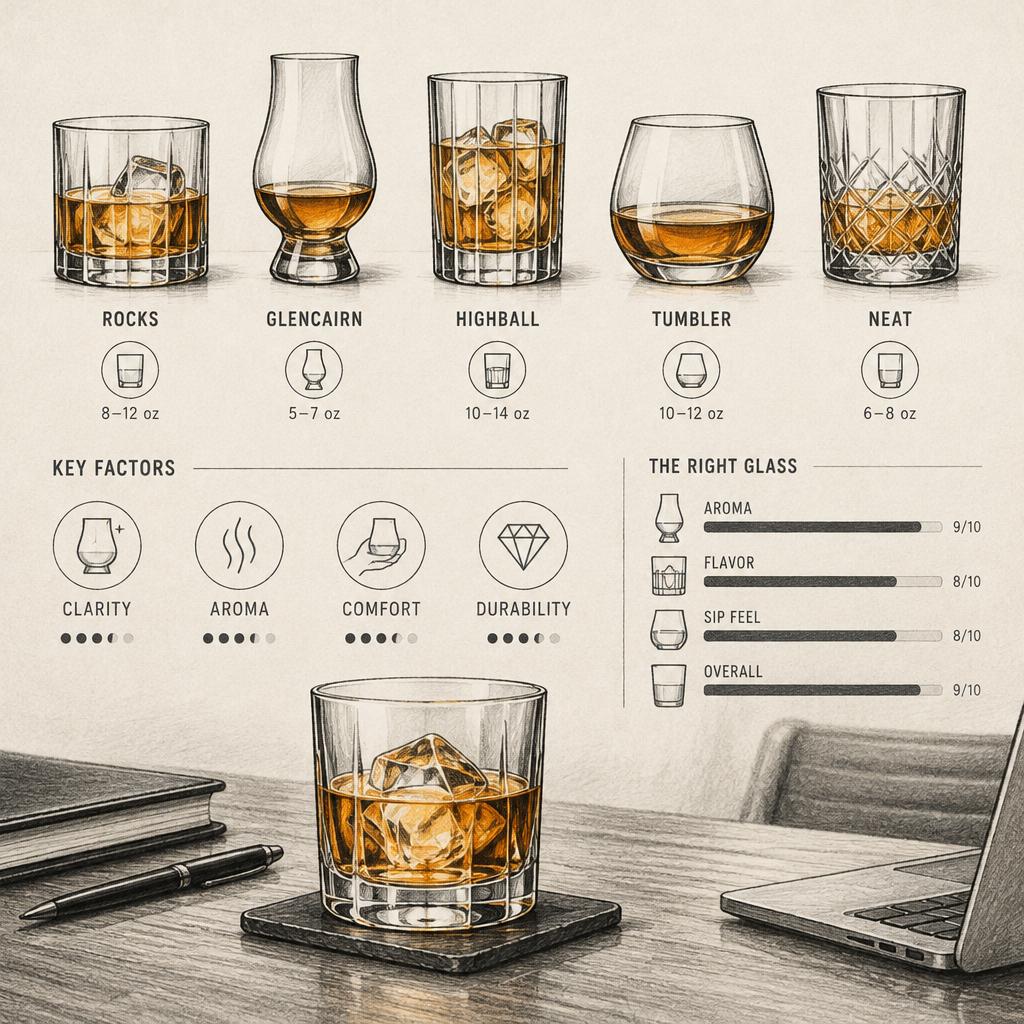
Shape matters most in three ways:
- Narrow bowl: Concentrates aroma, best for neat pours and higher-proof whiskey.
- Wide bowl: Opens up the spirit, better for adding water or ice.
- Tapered rim: Directs the liquid to the front of the tongue, softening the alcohol bite.
A common mistake is buying one glass for every pour. A wide rocks glass and a narrow tasting glass serve different jobs, and most drinkers end up wanting both.
Charred Whiskey Glasses: Style, Smoke, and What They Actually Do
Charred whiskey glasses are a finishing style, not a functional upgrade. The darkened, smoked look comes from surface treatment during manufacturing and changes appearance, not how the whiskey tastes.
That's not a knock. Presentation is a legitimate reason to buy glassware.
But be clear about the trade-off. A charred or heavily textured finish hides the whiskey's color, one of the cues many drinkers enjoy.
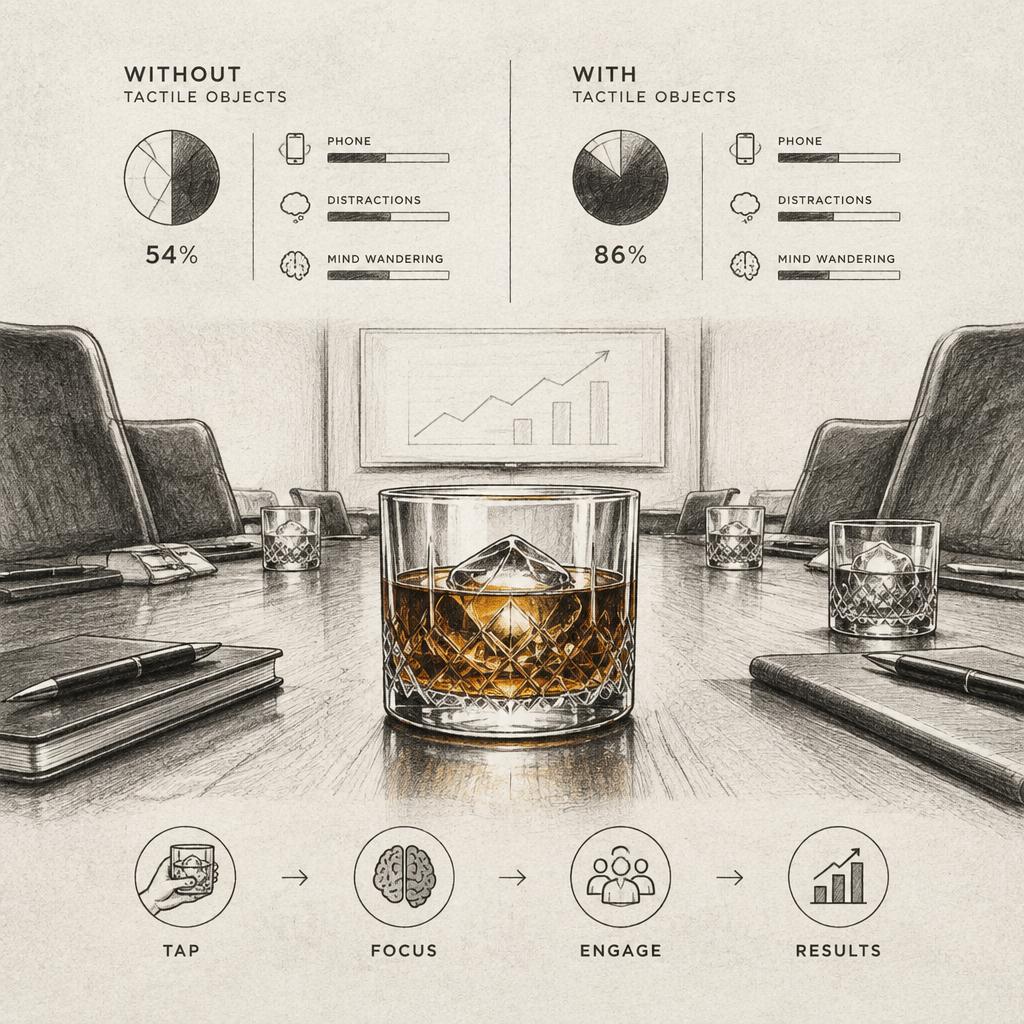
For a boardroom or home bar where the glass is part of the setting, the style earns its place. For a straight tasting, a clear glass tells you more.
Total Cost of Ownership: Breakage, Replacement, and Care
The real cost of a whiskey glass is the purchase price divided by how many years it survives. That math favors premium glass more often than the sticker price suggests.
Breakage is the biggest hidden cost. Thin, cheap glass chips at the rim and gets replaced in sets, not singles. A sturdier glass that survives five years of regular use often costs less per year than a rotating cast of budget replacements.
Care follows the same logic:
- Hand washing extends the life of any glass, especially thin-rimmed ones.
- Dishwasher cycles wear down rims and cloud cheaper glass over time.
- Storage matters more than most people think. Glasses stacked rim-to-base chip at the contact point.
At Bourbon in the boardroom, the glasses are built as weighted, short-wide old-fashioned designs with an etched tagline on the bottom.
A Decision Framework by Buyer Type
Match yourself to a type, then buy accordingly.
If you pour casually, a few times a month: Skip premium glass. A solid mid-range tumbler covers it, and you won't notice the difference.
If you sip regularly and care about aroma: Buy one good narrow-bowl glass and one wide rocks glass.
If you're buying a gift for a mentor or colleague: Premium glass is the right call.
If you're furnishing a boardroom or office bar: Buy durable, weighted glass that survives regular handling.
If you collect barware: Craftsmanship and finishing details are the whole point. Buy the glass you'll still want on the shelf in a decade.
How Many Glasses Do You Actually Need?
A useful rule: buy in pairs, not sets. Two glasses cover a one-on-one conversation, the setting most sipping actually happens in. A set of six is a hosting purchase, not a drinking purchase, and the extras spend most of their life in a cabinet.
If you host regularly, four is a reasonable ceiling for a single style. Beyond that, you're storing glassware, not using it.
Match the Glass to the Occasion
The occasion should drive the glass, not the other way around:
- A quiet pour after work: A single rocks glass. No ceremony needed.
- A slow tasting: A narrow-bowl glass, small pour, no ice.
- A conversation with a colleague or mentor: A weighted old-fashioned glass that feels substantial in hand and gives you something to hold while you talk.
- A hosted gathering: Durable, uniform glasses that can be washed and reused without anxiety.
Buy fewer, better glasses. Two premium glasses you use weekly beat six budget ones that sit in a cabinet and chip when you finally pull them out. And if the glass is meant to start a conversation, pick one that gives you something to talk about.
Conclusion: Who Should Buy Expensive Whiskey Glasses
Expensive whiskey glasses earn their cost for three groups: regular sippers who notice aroma, gift-givers who need the weight and finish to speak for themselves, and anyone furnishing a space where the glass is part of the setting. Casual drinkers can put the money toward the bottle instead.
If you want glassware built for leadership moments rather than display, the Pour collection from Bourbon in the boardroom offers weighted, classic old-fashioned glasses with a signature logo and an etched tagline on the bottom.
Add to cart.
Frequently Asked Questions
Do crystal whiskey glasses make whiskey taste better?
Crystal itself does not change the liquid's chemistry, but it changes how you experience it. Lead-free crystal can be blown thinner at the rim, so whiskey hits your tongue with less interruption. The narrower bowl also concentrates aroma, and most of what you call taste is smell. In a side-by-side pour, the difference is noticeable but modest. If you already like the whiskey, crystal makes the experience sharper, not different.
Are expensive whiskey glasses more durable than inexpensive ones?
Not automatically. Price often reflects craftsmanship, hand-blowing, and design rather than toughness. Thin-rimmed crystal can chip more easily than a thick, molded tumbler. What you get at higher price points is consistency: even wall thickness, a polished rim, and better resistance to clouding over years of washing. If durability is your priority, look for weighted bases and lead-free crystal, and hand wash to avoid thermal shock.
What is the difference between crystal and regular whiskey glasses?
Regular glass is made from silica, soda ash, and lime. Crystal adds lead or, in lead-free versions, barium, potassium, or zinc oxide. That addition makes the glass harder, more refractive, and easier to blow thin. In practice, crystal rings longer when tapped, feels lighter in the hand, and has a brighter surface. Regular glass is cheaper, more forgiving, and easier to replace. Neither is unsafe for a neat pour.
Are charred whiskey glasses worth it?
Charred or smoked-finish glasses are a style choice, not a functional upgrade. The charring is applied to the exterior, so it does not alter the whiskey's flavor. What it does is create a visual and tactile focal point that suits dark spirits and rustic bars. If you want a conversation piece for a home bar, they deliver. If you want the clearest read on aroma, a plain crystal tumbler does more for the pour.