 ultimate-guide
How to Choose Timeless Office Decor: A Guide
Table of Contents
- What Defines Timeless Office Decor Versus Trendy Design
- The Psychology of Timelessness in Professional Spaces
- Core Design Principles for Timeless Office Decor
- Tactile Objects for Meeting Focus and Conversation
- Executive Office Styling Tips for Sophistication
- How to Choose Professional Office Furniture That Lasts
- Budget-Friendly Timelessness and Investment Pieces
- Adapting Timeless Design to Small and Shared Spaces
- Frequently Asked Questions
Last Updated: September 27, 2026
What Defines Timeless Office Decor Versus Trendy Design
Timeless office decor prioritizes enduring aesthetics and functional quality over fleeting design fads. The distinction matters because trendy pieces demand replacement every few years, while timeless selections remain relevant and sophisticated indefinitely. A trendy item might feature bold, saturated colors or exaggerated proportions that feel dated within 18 months. Timeless office decor, by contrast, relies on clean lines, neutral color palettes, and high-quality natural materials that age gracefully and maintain their appeal across decades.
The real difference lies in intentionality. Trendy design chases what's popular right now. Timeless design asks what will still command respect in a boardroom five years from now. This approach aligns perfectly with how leaders think about their professional spaces, investing in pieces that become conversation starters precisely because they refuse to fade into the background of passing trends.
Timeless office decor communicates stability and thoughtfulness. When clients or colleagues enter a space defined by timeless design principles, they sense intentionality rather than haste. The investment in quality materials and restrained aesthetics signals that the leader values substance over novelty, craftsmanship over convenience.
The Psychology of Timelessness in Professional Spaces
Timelessness triggers psychological responses that trendy design cannot replicate. Spaces designed around timeless principles create a sense of permanence and trustworthiness. The human brain processes visual stability as a signal of competence and reliability. When an executive office features timeless office decor, visitors unconsciously absorb the message that this leader thinks in decades, not quarters.
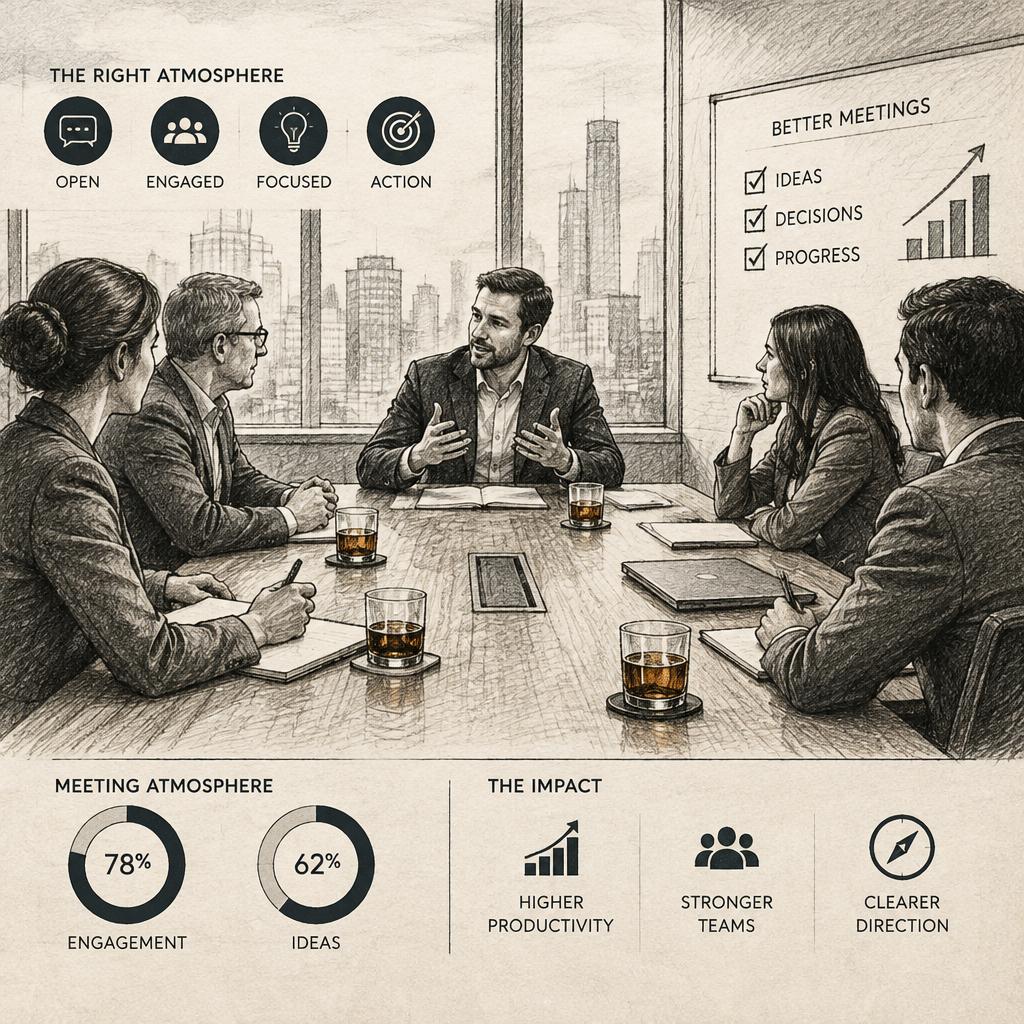
Research consistently shows that environments with clean lines, minimal visual clutter, and restrained color schemes enhance focus and reduce cognitive load. This matters in professional settings where meetings demand full attention and meaningful conversation. Timeless design removes distractions, no competing patterns, no colors that demand attention, no pieces that scream for validation. The space recedes, allowing human interaction to take center stage.
The psychological anchor of timelessness also builds confidence in decision-making. Leaders who surround themselves with timeless office decor subtly reinforce their own judgment. They've chosen pieces that will remain relevant, which mirrors the decision-making process itself: thoughtful, measured, and resistant to panic-driven choices. This consistency between environment and mindset creates a reinforcing loop that strengthens leadership presence.
Core Design Principles for Timeless Office Decor
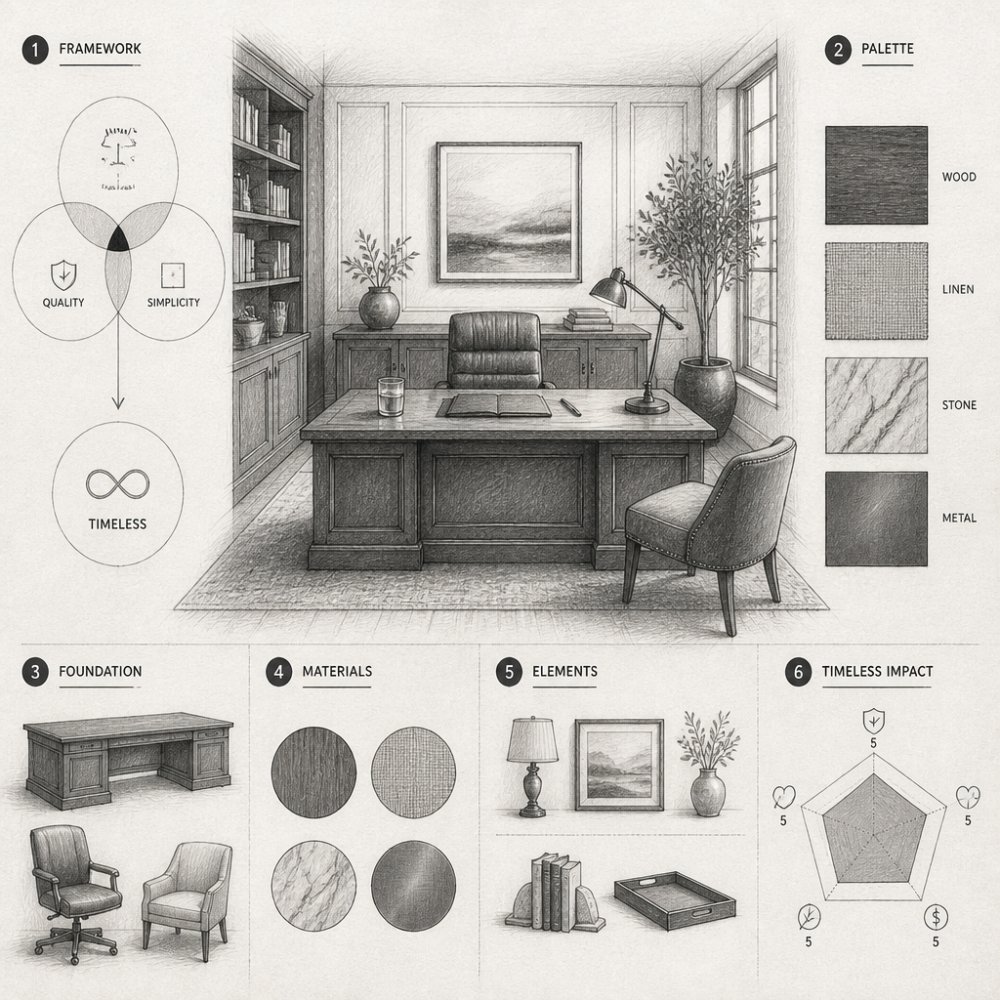
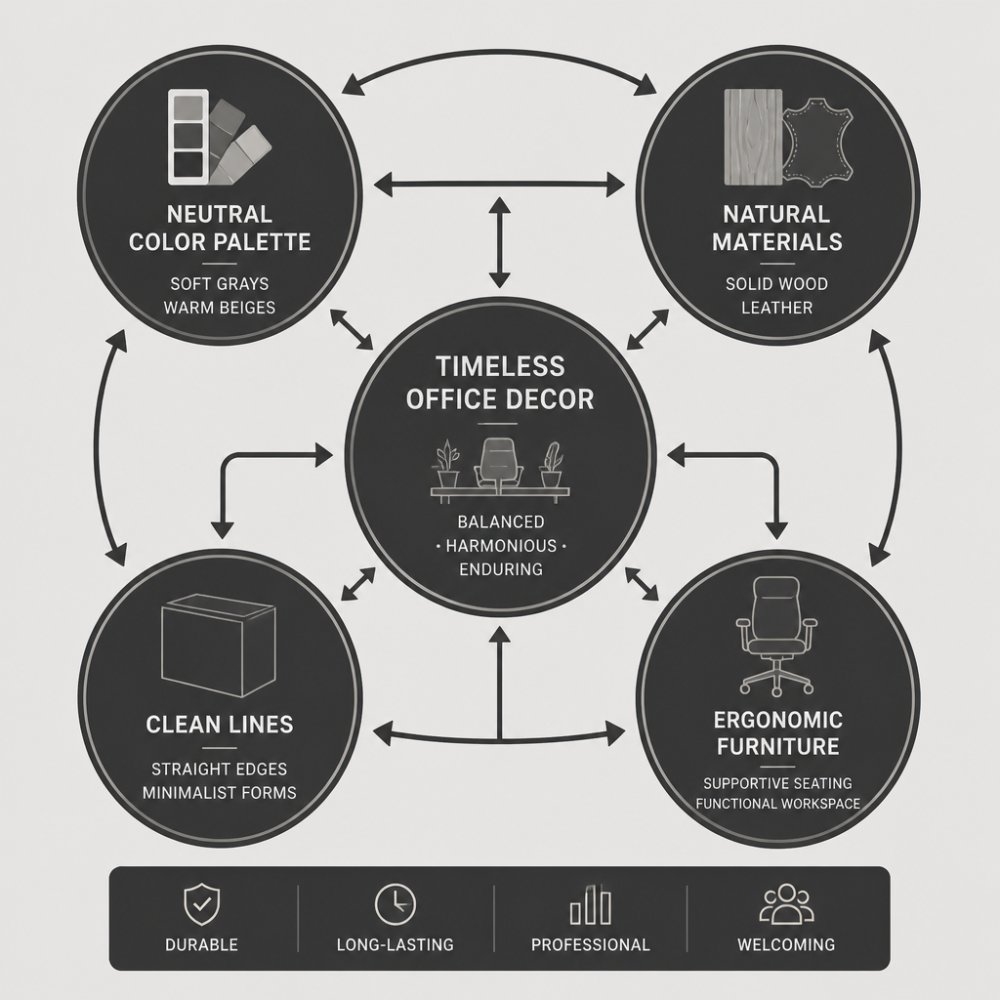
Timeless office decor rests on four interconnected pillars: neutral color palettes, natural materials, clean lines, and functional design. These principles don't compete, they reinforce each other to create spaces that feel both sophisticated and enduring.
Neutral Color Palettes and Clean Lines
A neutral color palette forms the foundation of timeless office decor. Whites, creams, soft grays, warm beiges, and muted earth tones create visual harmony without dating the space. The power of neutrality lies in its flexibility, neutral backgrounds allow individual pieces, art, and accessories to shine without overwhelming the room. A space dominated by soft gray walls and natural wood trim remains relevant because neutrality itself never goes out of style.
Clean lines represent the visual language of timelessness. Furniture with straight edges, minimal ornamentation, and geometric simplicity photographs well in any era. Ornate flourishes and curved excesses anchor a space to a specific moment in design history. By contrast, a desk with clean lines and a minimalist silhouette looks equally at home in 2026 or 2036. The principle extends to storage solutions, shelving, and architectural elements, straight, uncluttered forms age better than decorative complexity.
The combination of neutral color and clean lines creates what designers call "visual quietness." This aesthetic choice allows conversation and human presence to dominate the space rather than competing with busy visual patterns or bold color statements.
Quality Natural Materials and Durable Finishes
Natural materials age with dignity. Solid wood develops a patina that speaks to longevity and care. Leather gains character through use. Stone and metal improve with time. These materials contrast sharply with synthetic alternatives that degrade visibly, plastic yellows, laminate peels, and veneers chip.
Tactile Objects for Meeting Focus and Conversation
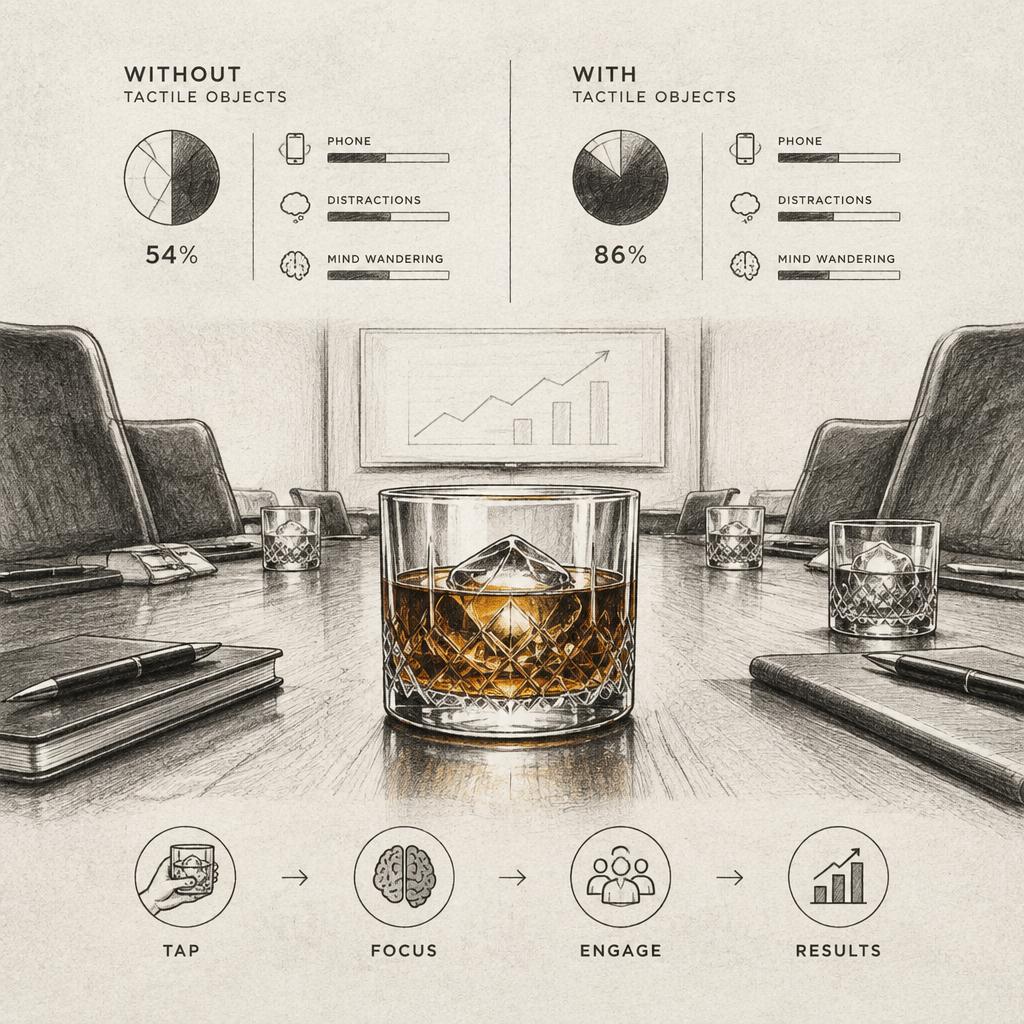
Tactile objects serve a specific function in professional spaces: they provide a focal point for attention during difficult conversations or moments requiring thought. A weighted glass, a smooth stone, a piece of wood with grain detail, these objects give the mind something to engage with while remaining subordinate to the conversation itself.
Executive Office Styling Tips for Sophistication
Sophistication in executive spaces emerges from restraint, not abundance. A common mistake is treating an office like a gallery, filling every surface with objects and art. Sophisticated spaces breathe. They feature carefully chosen pieces separated by empty space, allowing each selection to command attention without competition.
How to Choose Professional Office Furniture That Lasts
Professional office furniture selection requires evaluating three criteria: construction quality, material durability, and functional fit. Construction quality determines whether a piece will survive years of use. Look for solid joinery, mortise and tenon joints, dovetail connections, reinforced corners. Avoid furniture held together primarily with staples, nails, or thin veneer over particle board. These construction methods fail within a few years of regular use.
Budget-Friendly Timelessness and Investment Pieces
Timeless office decor doesn't require unlimited budget. The strategy involves prioritizing investment pieces and building around them with thoughtful selections at various price points. An investment piece is typically furniture or a major architectural element, a desk, a high-quality chair, built-in shelving. These items anchor the space and justify higher investment because they'll be used daily for years.
Adapting Timeless Design to Small and Shared Spaces
Small spaces demand heightened attention to timeless office decor principles because every element becomes more visible. Neutral color palettes become even more important, they visually expand small rooms by reducing visual competition. Clean lines matter more because clutter becomes obvious immediately. Functional design becomes critical because wasted space cannot be afforded.
Frequently Asked Questions
What is the difference between timeless office decor and trendy design?
Timeless office decor relies on classic design principles, neutral colors, quality materials, and clean lines that remain relevant across decades. Trendy design follows current fashions and often becomes dated within 2-5 years. Timeless pieces emphasize functionality, durability, and sophistication, while trends prioritize novelty. When choosing timeless office decor, look for investment pieces with solid construction, versatile aesthetics, and enduring appeal rather than those tied to current color fads or style movements.
How can tactile objects improve focus during high-stakes meetings?
Tactile objects provide a physical focal point that anchors attention and reduces anxiety during important discussions. Weighted, quality items like premium glassware engage the senses and create a grounding effect, helping participants stay present. The act of holding or touching a well-crafted object signals intentionality and creates a moment of pause for reflection. This sensory engagement can improve listening, reduce fidgeting, and create a more mindful meeting environment. Executives often find that thoughtfully chosen tactile pieces elevate the entire tone of professional conversations.
What materials are considered timeless for executive offices?
Solid wood, leather, glass, and natural stone are the foundation of timeless executive office design. These materials age gracefully, develop character with use, and convey quality and permanence. Avoid particle board, plastic, and highly processed finishes that show wear quickly or feel cheap. Metal accents in brushed finishes complement natural materials without appearing trendy. Quality craftsmanship in these materials ensures your office decor remains sophisticated and relevant. Choose pieces where the material itself is beautiful rather than relying on surface treatments or coatings.
How do I balance professional aesthetics with personal comfort in my office?
Start with a professional foundation using neutral colors, clean lines, and quality furniture, then layer in personal elements that reflect your leadership style and values. Include ergonomic seating and lighting that support your wellbeing, as comfort directly impacts productivity. Add one or two meaningful personal touches, like a carefully selected artwork or a conversation-starting object, rather than cluttering the space. The goal is creating a work-life balance within your office environment where professionalism and authenticity coexist. A sophisticated, personal space signals confidence and invites genuine connection.
What's the best way to adapt timeless design to a small office space?
In smaller spaces, embrace minimalism and functional storage to maintain visual harmony without clutter. Choose multi-purpose furniture with clean lines and avoid oversized pieces that overwhelm the room. Vertical storage and bespoke solutions maximize space without compromising sophistication. Light colors and strategic task lighting create the illusion of openness while maintaining an executive aesthetic. Quality over quantity becomes even more critical, fewer, well-chosen pieces create a more refined and spacious feel than many mediocre items.
How do I know if office decor will actually hold up to regular use?
Look for solid construction, quality materials, and durable finishes that show craftsmanship. Weighted items, solid wood, and premium glassware are built for daily use, not display. Check that joints are reinforced, finishes are applied properly, and materials feel substantial when you handle them. Read about the maker's commitment to longevity and maintenance. Products designed for executive environments are built to withstand regular professional use while maintaining their appearance and function over years of daily interaction.
How can I incorporate brand identity into timeless office decor?
Integrate brand identity through subtle, quality touches rather than obvious logos. Choose pieces that reflect your company's values and leadership philosophy, like conversation-starting glassware with meaningful etching or custom elements. Display craftsmanship and attention to detail as brand signals. Thoughtfully curated decor communicates your company's commitment to quality and sophistication without appearing promotional. The most effective brand integration happens when design choices and objects naturally align with your professional identity and create an environment where important conversations happen.
Should I invest in high-end pieces or build a budget-friendly timeless office gradually?
The most sustainable approach combines both strategies. Invest in key investment pieces, ergonomic seating, quality lighting, solid furniture, that you'll use daily and keep for years. Build the rest gradually with budget-conscious choices that prioritize quality construction and timeless aesthetics over brand names. Avoid cheap trendy items that require frequent replacement. A few well-chosen, durable pieces create a more sophisticated office than many mediocre items. Focus spending on items that directly impact your daily experience and professional presence.